
6 min read
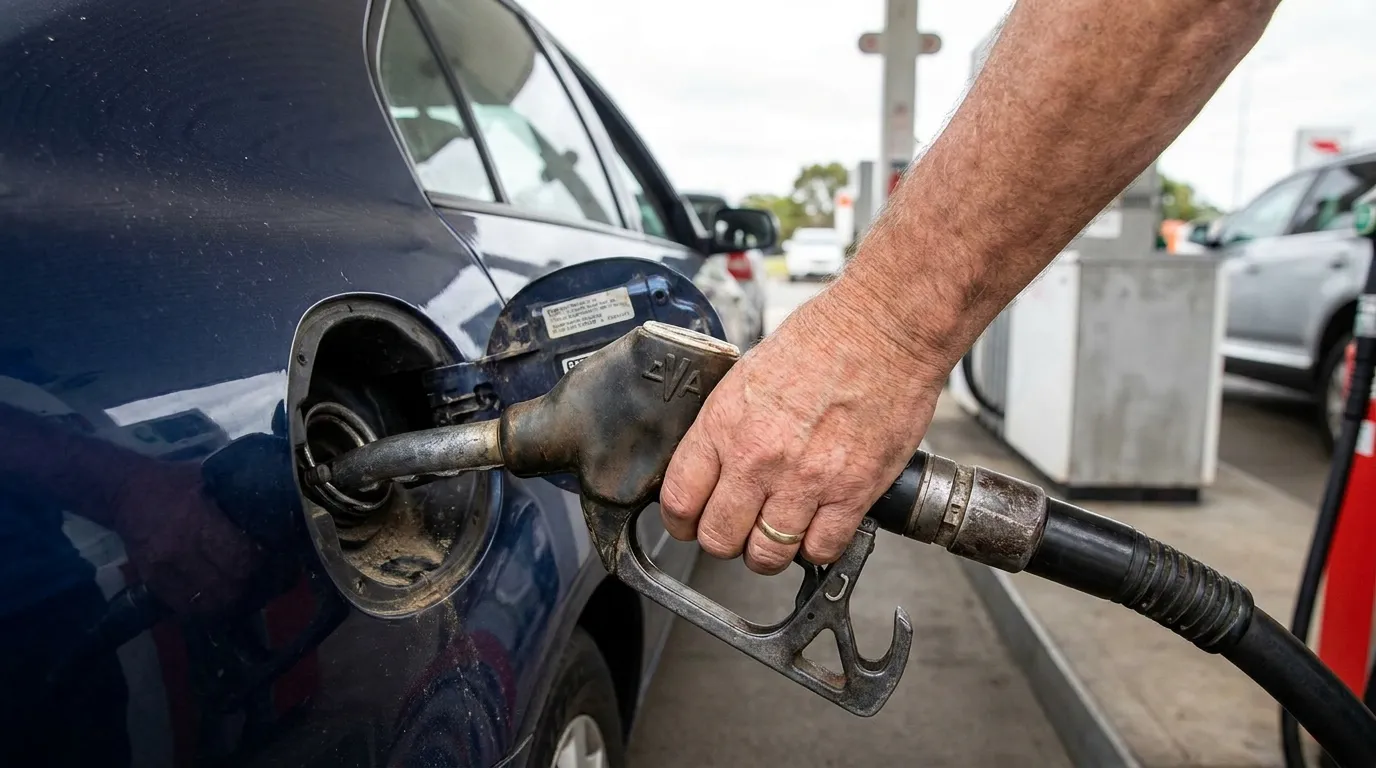
It happens to careful drivers all the time. You are tired, the forecourt is busy, you grab the wrong nozzle, and a moment later your stomach drops as you realise you have put petrol in a diesel, or diesel in a petrol. The most important thing to know is this. What you do in the next few minutes makes a real difference to how much damage is done and how much it costs to put right.
Stop straight away
The instant you realise, stop filling. Do not add any more of the wrong fuel in the hope of diluting it, because that only makes things worse. The single biggest factor in whether your car comes through unharmed is usually whether the engine was started. So the next rule matters more than any other.
Do not start the engine
If you have not turned the key, do not. While the wrong fuel is just sitting in the tank, it can often be drained out with no lasting harm. The moment you start the engine, you pump that fuel through the system, and in a modern diesel in particular that can mean serious and expensive damage to the fuel pump and injectors. Do not even turn the ignition to accessory mode if you can avoid it, as some cars prime the fuel system when you do.
- Stop filling the moment you realise
- Do not start the engine or turn the ignition on
- Tell the forecourt staff so they can help and keep the area safe
- If the car is at the pump, ask whether it can be pushed clear safely
Get the car to a safe spot
Busy forecourts around Belfast and across Northern Ireland do not have room for a car to sit at a pump for long. With staff helping and the handbrake managed, the car can usually be pushed back to a parking bay or a quiet corner of the forecourt. Never push a vehicle on your own into a position where it could roll or block traffic. Once it is somewhere safe and out of the way, you can sort out the next step calmly.
Petrol in diesel and diesel in petrol
Both mistakes are serious, but petrol in a diesel engine is generally the one that causes the most worry. Diesel acts as a lubricant for the fuel system, and petrol does the opposite, so it can damage the very parts that keep a diesel running. Diesel in a petrol car is less common, partly because the diesel nozzle is usually too big to fit a petrol filler neck, but it still needs draining. Either way, the safe answer is the same. The contaminated fuel needs to be drained before the engine runs.
What happens next
Once the wrong fuel has been drained and the system flushed, the right fuel goes in and in most cases, where the engine was never started, the car is fine to carry on. If the engine was started and run, more work may be needed, which is all the more reason to leave it switched off. The key takeaway is to resist the urge to drive away and deal with it later. That instinct is what turns a manageable mistake into a major repair.