
6 min read
Nobody plans to break down. Yet every week we are called out to drivers across Belfast and the wider Northern Ireland road network whose day has been turned upside down by a fault that a few minutes of attention could have caught. The good news is that the majority of roadside breakdowns are preventable. A little routine care goes a long way, especially on our mix of motorway, country road and stop start city traffic.
Keep an eye on your tyres
Tyres are the single most common reason we see cars stranded. Northern Irish roads can be hard on rubber, with potholes after a wet winter and long stretches of coarse motorway surface. Check your tread depth regularly and look for cuts, bulges or anything embedded in the surface. Pressures matter just as much. An underinflated tyre runs hot, wears badly and is far more likely to fail at speed on the M1 or M2.
- Check pressures at least once a month and before any long run
- Make sure tread is well above the legal minimum, not just scraping it
- Carry a working spare or a tyre inflation kit, and know how to use it
- Look for slow punctures that leave one tyre softer than the rest
Mind your fluids
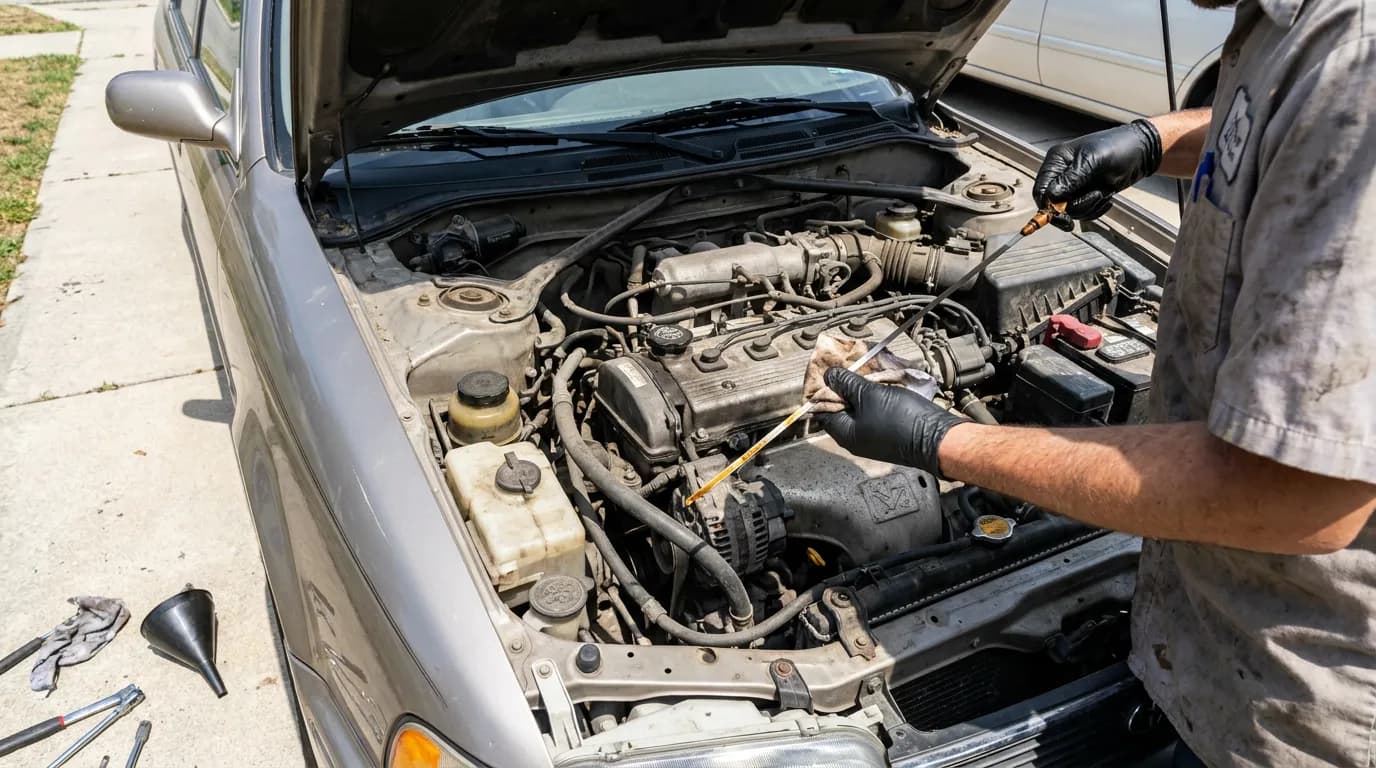
Oil and coolant keep your engine alive. Running low on either is a fast route to an expensive recovery rather than a cheap top up. Once a fortnight, with the engine cold and the car on level ground, lift the bonnet and check the oil on the dipstick and the coolant against the marked level. Keep an eye on your screen wash too. It will not strand you, but on a grimy winter morning coming off the Westlink it makes a real difference to how safely you can see.
Look after the battery
Cold, damp weather is tough on batteries, and Northern Ireland gives us plenty of both. A battery that is on its way out will often warn you first. The engine cranks slowly, the lights dim when you start up, or the car is reluctant to fire on a frosty morning. If you mostly do short journeys around town, your battery never gets a proper charge, so an occasional longer drive helps. If yours is more than a few years old and showing signs of strain, get it tested before it leaves you stuck on the drive.
Do not ignore the warning lights
Modern cars are good at telling you when something is wrong. The trouble is that it is easy to keep driving and hope a light goes away. An amber warning usually means investigate soon. A red warning means stop as soon as it is safe. Temperature, oil pressure and brake warnings in particular should never be driven through. Pulling over early and making a call is always cheaper and safer than pushing on and turning a small fault into a major one.
Plan for the journey ahead
Before a longer trip, give the car a quick once over. Fuel, tyres, lights, fluids and a glance underneath for any fresh leaks. Make sure you have enough fuel or charge for the route, with a sensible margin for diversions and traffic. Keep a phone charger in the car so you are never caught with a dead phone and no way to call for help. A few minutes before you set off can save you a long, cold wait later.